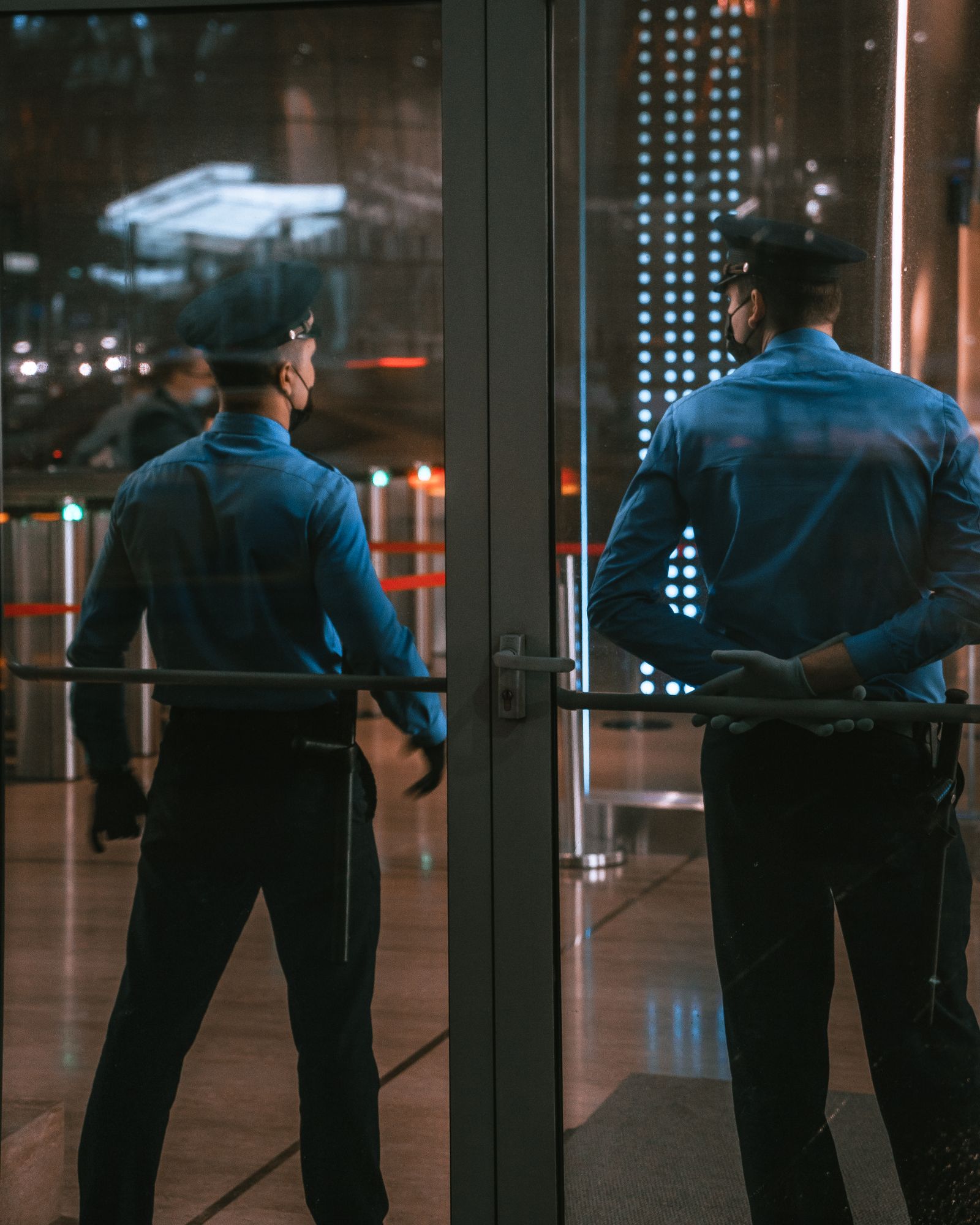
If your intruder alarm goes off in the night, who goes? Here is how keyholding and alarm response work, and why it matters.
Most business owners never think about their alarm until it goes off in the middle of the night. Then the question is simple: who is going to go and check the building?
The problem with sending staff
Many businesses list a manager or owner as their keyholder. That means someone getting out of bed, driving to an empty building and walking in alone, not knowing what they will find. It is a real lone-working risk, and it often happens more than once if the alarm keeps being triggered.
How professional keyholding works
- We hold a set of your keys securely and log every time they are used.
- When the alarm is activated, the monitoring centre contacts us instead of you.
- A trained, SIA-licensed officer attends the site, checks the building inside and out, and resets the alarm if it is safe to do so.
- If there are signs of a break-in, the police are called and the officer stays to secure the premises.
- You receive a written report of what was found and what was done.
Why response times matter
If your alarm is monitored and has police response, police policy usually expects keyholders who can reach the site within 20 minutes. Alarms that repeatedly go off for no reason can also lose police response, so having someone attend, find the cause and reset the system properly makes a real difference.
More than alarms
Keyholders can also unlock for contractors and cleaners, carry out lock-up checks and visit empty buildings during holidays. It is one of the simplest ways to protect a property without paying for a full-time officer.
Enjoyed this article? Share it with someone who might find it useful.