Most private security work in the UK needs a licence from the Security Industry Authority. Here is what it covers and how to check an officer is licensed.
If you hire security for your business, one of the first things to ask is whether the officers are licensed by the Security Industry Authority (SIA). The SIA regulates the private security industry in the UK under the Private Security Industry Act 2001.
Who needs a licence?
A licence is required for a range of front-line roles when they are carried out under contract, including:
- Security guards (static guarding and patrols)
- Door supervisors at licensed premises and events
- Public space surveillance (CCTV) operators
- Key holders
- Close protection officers
- Cash and valuables in transit
Working in a licensable role without a licence is a criminal offence. So is knowingly supplying unlicensed staff, which is why a reputable provider will check every officer before they are deployed.
What does a licence show?
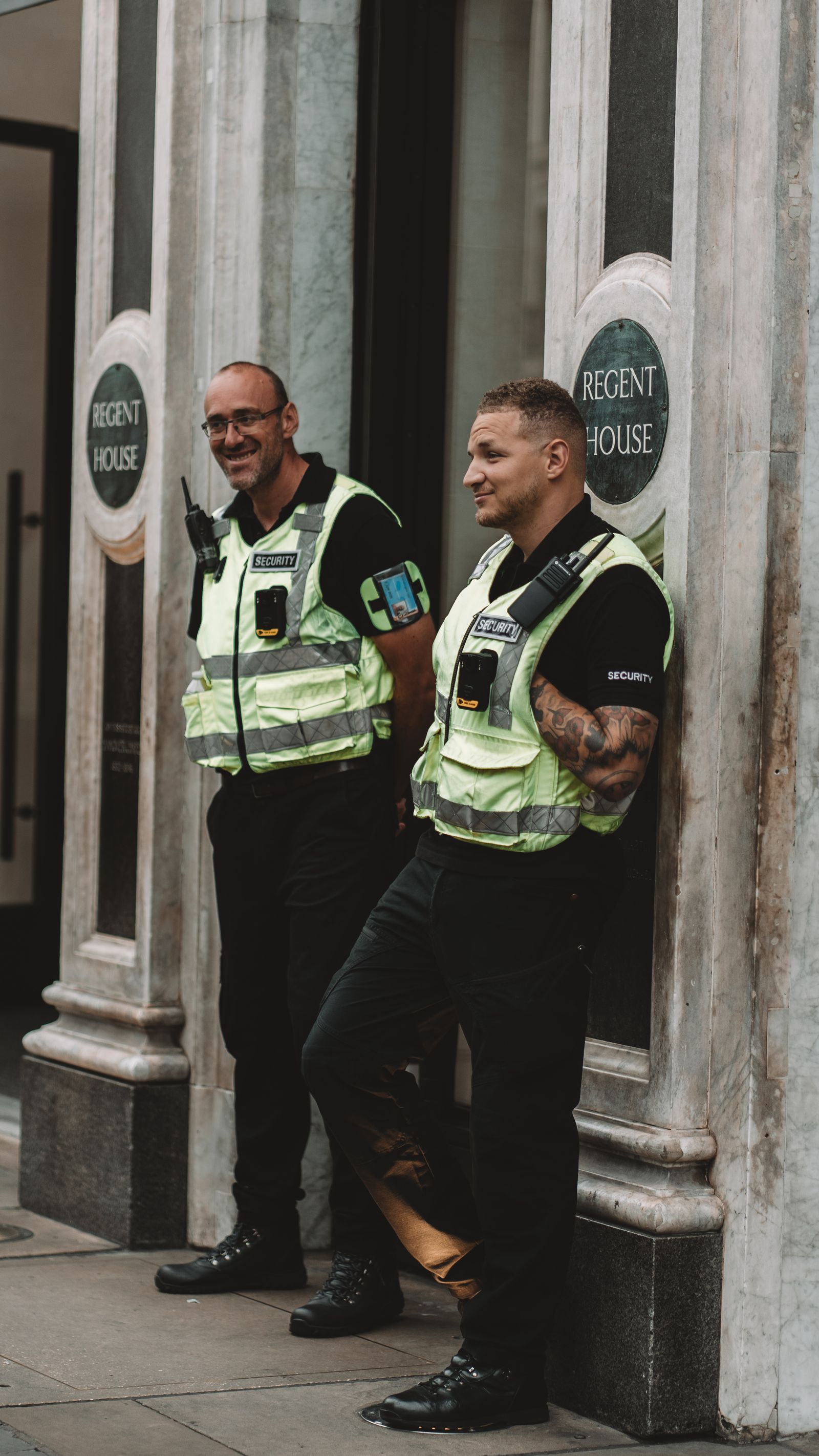
To get a licence, applicants must prove their identity, pass a criminal record check and complete an approved training qualification for the role. Front-line licences normally last three years, and officers are expected to wear their licence where it can be seen while working.
How to check a licence
The SIA publishes an online register of licence holders. You can search it using the 16-digit number on the officer’s licence card to confirm the licence is valid and covers the right activity.
Questions to ask a security provider
- Do you check licences before every deployment?
- Are your staff screened to BS 7858, the British Standard for security vetting?
- Who supervises the officers, and how often do they visit?
- How are incidents reported to us?
At DE PRIME GROUP LTD, any licensable security work is undertaken by personnel holding the appropriate valid SIA licence.
Enjoyed this article? Share it with someone who might find it useful.